
The Role of Essential Oils in Traditional Indian Wellness Practices


Understanding Essential Oils in Indian Wellness
Essential oils have been integral to traditional Indian wellness practices for centuries. These concentrated plant extracts are used for their therapeutic properties, offering a natural way to enhance physical and mental well-being. Often linked with Ayurveda, the ancient Indian system of medicine, essential oils play a crucial role in balancing the mind, body, and spirit.
Ayurveda categorizes essential oils based on their effects on the body’s doshas—Vata, Pitta, and Kapha. By understanding these principles, practitioners can tailor treatments to individual needs, promoting holistic health and wellness.
The Historical Significance of Essential Oils
The use of essential oils in India dates back thousands of years. Ancient texts describe their use in rituals, healing practices, and personal care. Oils like sandalwood, rose, and jasmine hold a special place in Indian traditions, not only for their aromatic qualities but also for their therapeutic benefits.
Historically, essential oils were used in combination with other natural substances to create potent remedies. This tradition continues today, with many people embracing these oils as part of their daily wellness routines.

Popular Essential Oils in Indian Practices
Several essential oils are commonly used in Indian wellness practices:
- Sandalwood: Known for its calming properties, it is frequently used in meditation.
- Turmeric: Celebrated for its anti-inflammatory benefits.
- Jasmine: Valued for its uplifting and mood-enhancing effects.
These oils are often combined to address specific health concerns, from relieving stress to enhancing skin health.
Incorporating Essential Oils into Daily Life
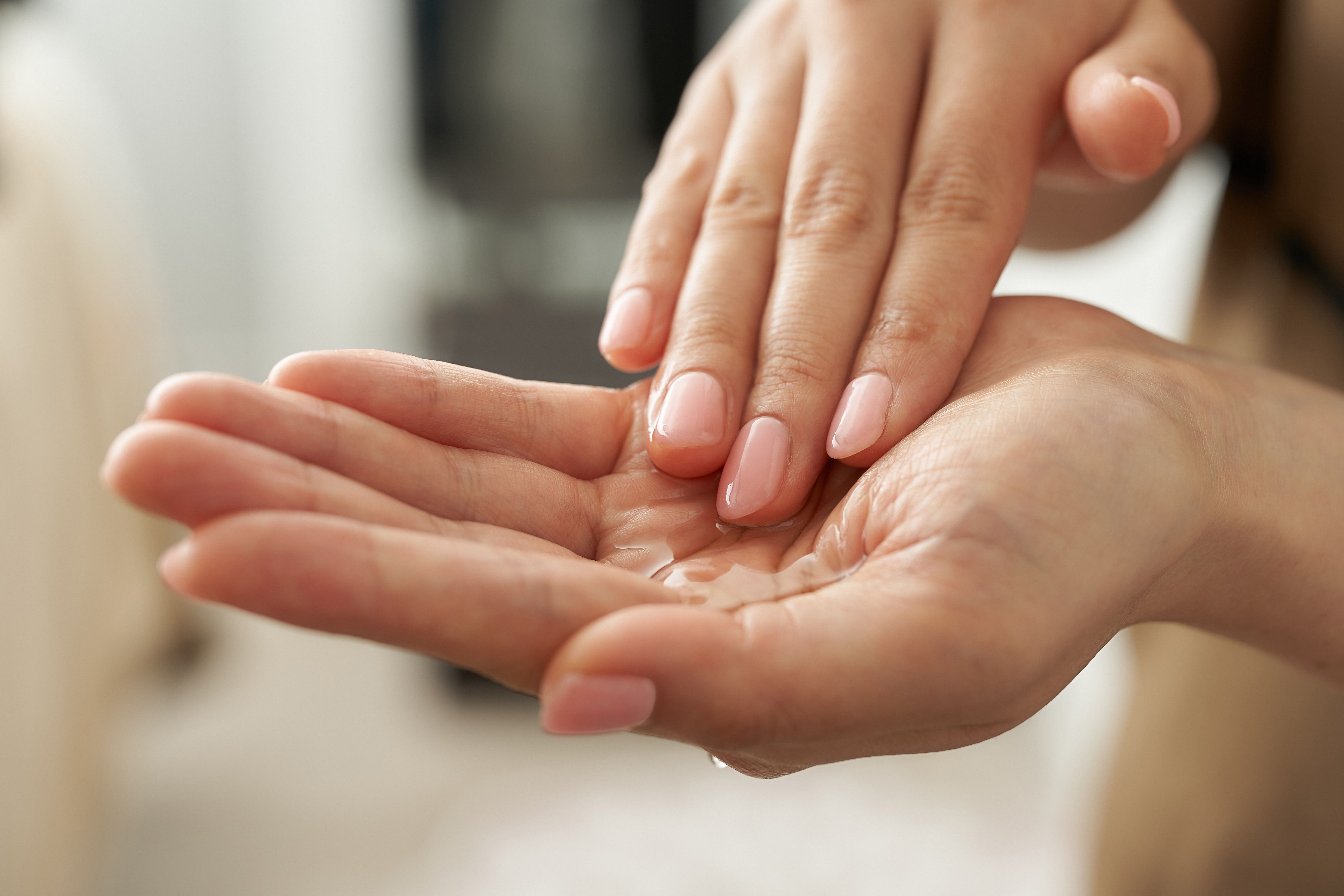
Incorporating essential oils into daily life can be both simple and rewarding. Whether used in diffusers, applied topically, or added to bathwater, these oils offer a versatile approach to wellness. Aromatherapy is a key method, where the inhalation of essential oil vapors promotes relaxation and mental clarity.
For topical use, it's crucial to dilute essential oils with a carrier oil to prevent skin irritation. Popular carrier oils include coconut and almond oil, which complement the properties of essential oils.
Essential Oils and Yoga
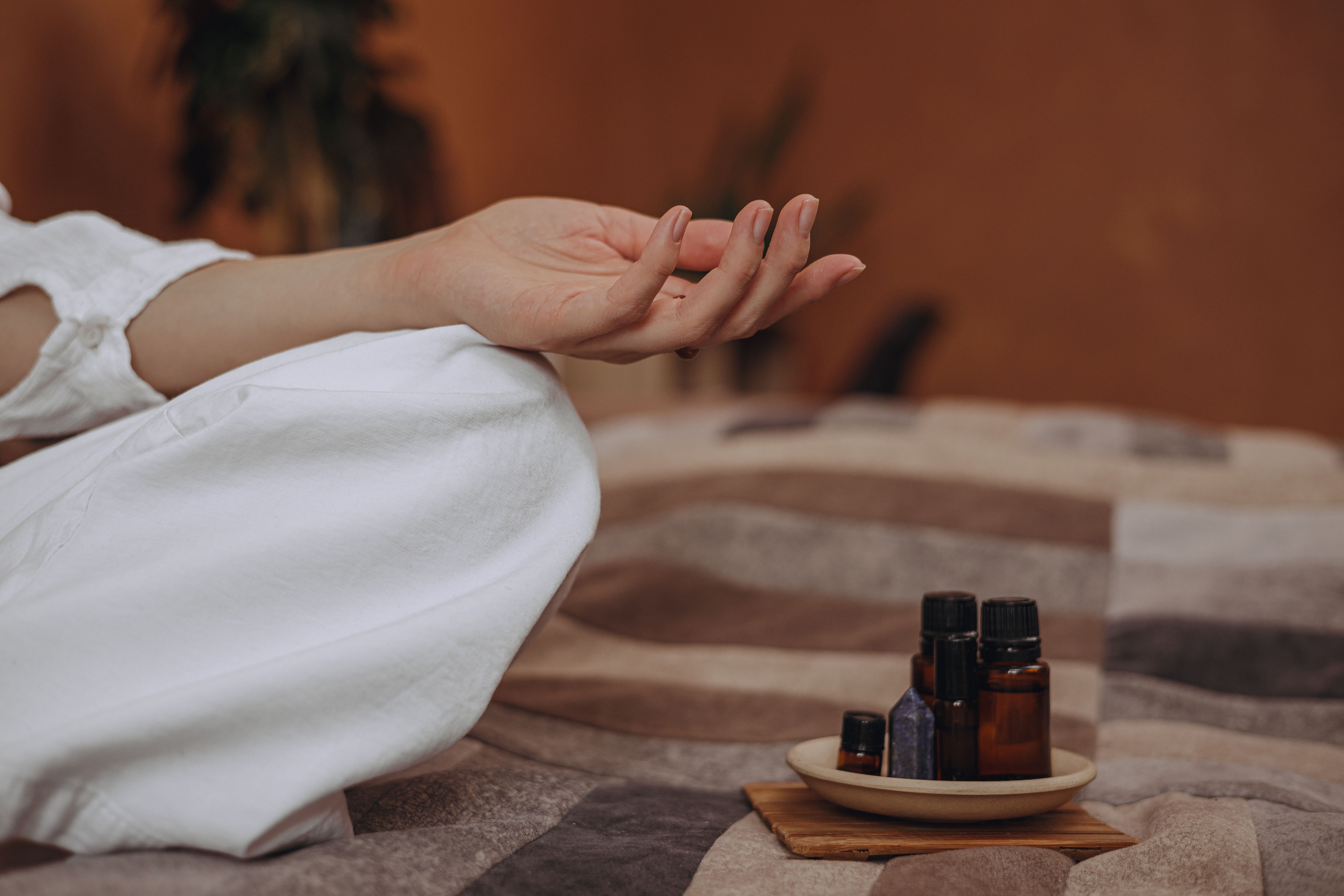
Essential oils are often used alongside yoga practices to enhance the experience. Oils like lavender and frankincense can deepen relaxation and support a meditative state. Applying a few drops to the wrists or diffusing them in the practice space can create a serene environment.
Modern Applications and Benefits
Today, the use of essential oils extends beyond traditional practices. They are incorporated into modern wellness routines for their diverse benefits, which include boosting immunity, enhancing focus, and improving sleep quality. As people seek natural alternatives to synthetic products, essential oils offer a sustainable option.
Research continues to explore the potential advantages of essential oils, supporting their use in complementary therapies worldwide.

Conclusion: Embracing Tradition and Innovation
Essential oils remain a vital component of traditional Indian wellness practices, bridging the gap between ancient wisdom and modern innovation. By understanding and utilizing these natural resources, individuals can cultivate a balanced and harmonious lifestyle.
Whether you are new to essential oils or looking to deepen your practice, exploring their rich history and diverse applications can lead to transformative wellness experiences.