
Expert Tips for Using Essential Oils Safely and Effectively


Understanding Essential Oils
Essential oils have gained popularity for their aromatic and therapeutic benefits. Extracted from plants, these oils capture the plant's scent and flavor, offering a natural solution for various needs. However, using them safely and effectively requires knowledge and care.
Choosing Quality Oils
When selecting essential oils, quality is paramount. Always opt for oils labeled as 100% pure and therapeutic grade. Check the label for the botanical name of the plant to ensure authenticity. Reputable brands often provide testing reports confirming the purity of their products.
Safe Application Methods
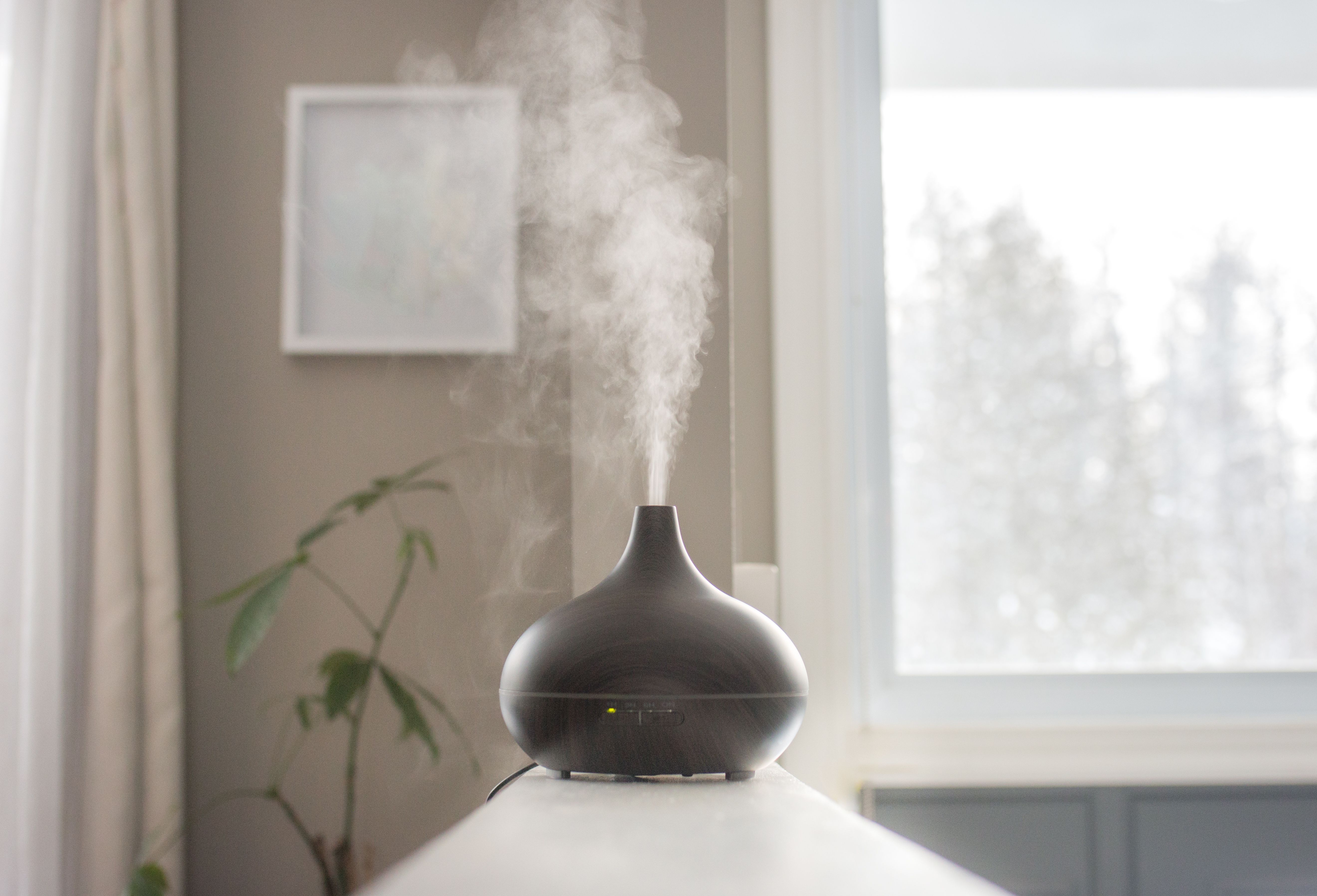
There are several ways to use essential oils, including aromatically, topically, and internally. Aromatic use involves diffusing the oil in the air. For topical application, always dilute essential oils with a carrier oil like coconut or jojoba to prevent skin irritation. Internal use should be approached with caution and under professional guidance.
Dilution Guidelines
Proper dilution is crucial to avoid adverse reactions. A general guideline is to use a 2-3% dilution for adults, which equates to about 12-18 drops of essential oil per ounce of carrier oil. For children, elderly, or those with sensitive skin, a 1% dilution is recommended.
Understanding Sensitivities
Individual sensitivities to essential oils vary. Always perform a patch test before using a new oil to check for allergic reactions. Apply a small amount of diluted oil to the forearm and wait 24 hours to see if any irritation develops.
Storage and Shelf Life
Proper storage of essential oils is essential to maintain their efficacy. Keep oils in dark glass bottles, away from direct sunlight, heat, and humidity. Most essential oils have a shelf life of one to two years, although citrus oils tend to oxidize faster.

Consulting with Professionals
Before using essential oils, particularly for health purposes, consulting with a qualified aromatherapist or healthcare professional is advisable. They can provide personalized advice and ensure that your use aligns with any medical conditions or treatments.
Conclusion
Essential oils can be a wonderful addition to your wellness routine when used correctly. By choosing high-quality oils, following safe application practices, and consulting professionals when needed, you can enjoy the benefits while minimizing risks.