
Common Misconceptions About Essential Oils Debunked


Understanding Essential Oils
Essential oils have become increasingly popular, but they are often surrounded by myths and misconceptions. These concentrated plant extracts are used for various purposes, from aromatherapy to skincare. However, it's crucial to separate fact from fiction to use them safely and effectively.
Myth 1: All Essential Oils Are Safe for Everyone
One of the most common misconceptions is that essential oils are universally safe for all individuals. The reality is that essential oils are potent and can cause allergic reactions or skin irritations in some people. It's essential to perform a patch test before using a new oil and consult a healthcare professional, especially if you're pregnant or have existing health conditions.
Children and Essential Oils
It's particularly important to be cautious when using essential oils around children. Some oils are not suitable for young children and can cause adverse reactions. Always dilute essential oils appropriately and consult a pediatrician if you are unsure.

Myth 2: Essential Oils Can Cure Diseases
Another widespread belief is that essential oils can cure diseases. While they may support wellness and provide relief for certain symptoms, they should not replace conventional medical treatments. Essential oils can complement traditional medicine but should not be relied upon as a sole treatment for serious health conditions.
The Role of Aromatherapy
Aromatherapy, the use of essential oils for therapeutic benefits, can be beneficial for stress relief and relaxation. However, it's important to understand its limitations and use it as a complementary therapy rather than a cure-all solution.
Myth 3: More Is Better
Many people believe that using more essential oil will increase its effectiveness. However, this is not true. Essential oils are highly concentrated, and using too much can lead to negative effects, such as skin irritation or headaches. It's crucial to follow recommended guidelines and use the oils in moderation.
Proper Dilution
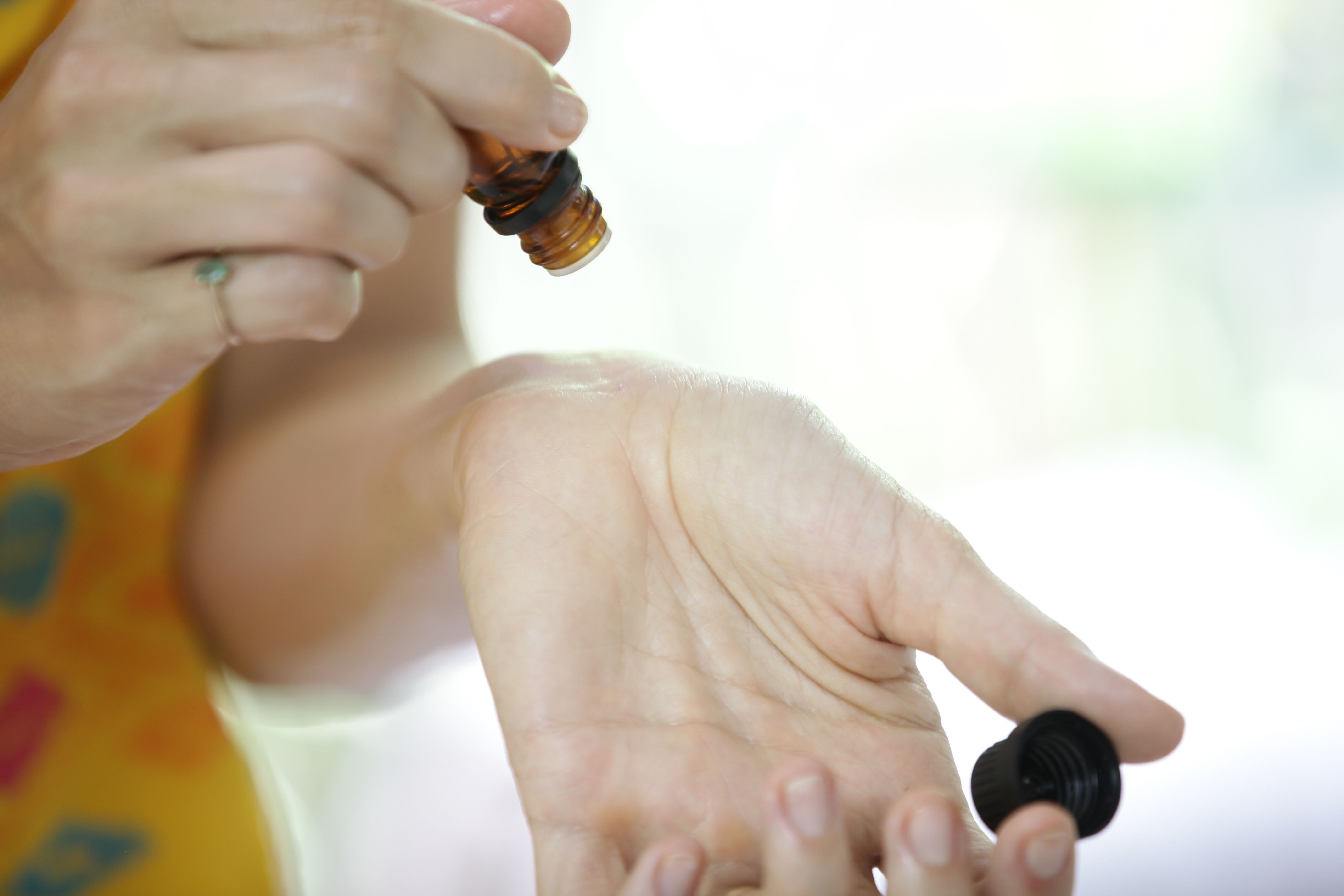
Proper dilution is key when using essential oils. Always mix them with a carrier oil like coconut or jojoba oil before applying to the skin. This not only ensures safety but also enhances the absorption of the oil.
Myth 4: All Essential Oils Are Created Equal
Not all essential oils are the same. The quality of essential oils can vary significantly based on factors like the source of the plant, extraction method, and manufacturer practices. It's important to purchase oils from reputable sources to ensure you are getting a pure and effective product.
Reading Labels
When buying essential oils, pay close attention to labels. Look for oils that are labeled as 100% pure and include the botanical name of the plant. Avoid oils that contain synthetic additives or fillers.
By debunking these common misconceptions, you can make more informed decisions about using essential oils and enjoy their benefits safely and effectively.