
Breathing Easier: Combatting Poor Air Quality with Essential Oils in India


Understanding Air Quality Issues in India
Air quality across Indian cities has become a growing concern. From Delhi and Mumbai to Bengaluru and Kolkata, AQI levels frequently enter the “poor” or “very poor” categories—especially during winters, traffic-heavy hours, construction phases, and seasonal crop burning.
While masks and air purifiers have become everyday essentials, many people still experience discomfort such as nasal congestion, heavy breathing, headaches, and mental fatigue due to prolonged exposure to polluted air.
This is where aromatherapy, when used responsibly, can play a supportive role.

Understanding AQI and Its Impact on Our Body
AQI (Air Quality Index) measures pollutants like PM2.5, PM10, nitrogen dioxide, and carbon monoxide. Prolonged exposure to high AQI levels can lead to:
- Blocked or irritated nasal passages
- Shortness of breath or chest heaviness
- Headaches and sinus discomfort
- Reduced focus and fatigue
While essential oils cannot remove pollutants, certain oils are known to help the respiratory system feel clearer and more comfortable.
The Science Behind Essential Oils
Essential oils are concentrated plant extracts that capture the plant’s scent and flavor. They contain unique chemical compounds that have been shown to have antimicrobial properties. This makes them effective in reducing airborne bacteria and other pollutants.
Essential oils work through aromatic inhalation, stimulating the olfactory system and supporting the body’s natural breathing response. When diffused indoors, they can help create a fresher, more breathable-feeling environment—especially when outdoor air quality is poor.
Two of the most commonly used oils for respiratory comfort are Eucalyptus and Peppermint.
Implementing Essential Oils at Home
Using essential oils to help ease poor air quality can be simple and inexpensive. Here are some ways to incorporate them into your daily routine:
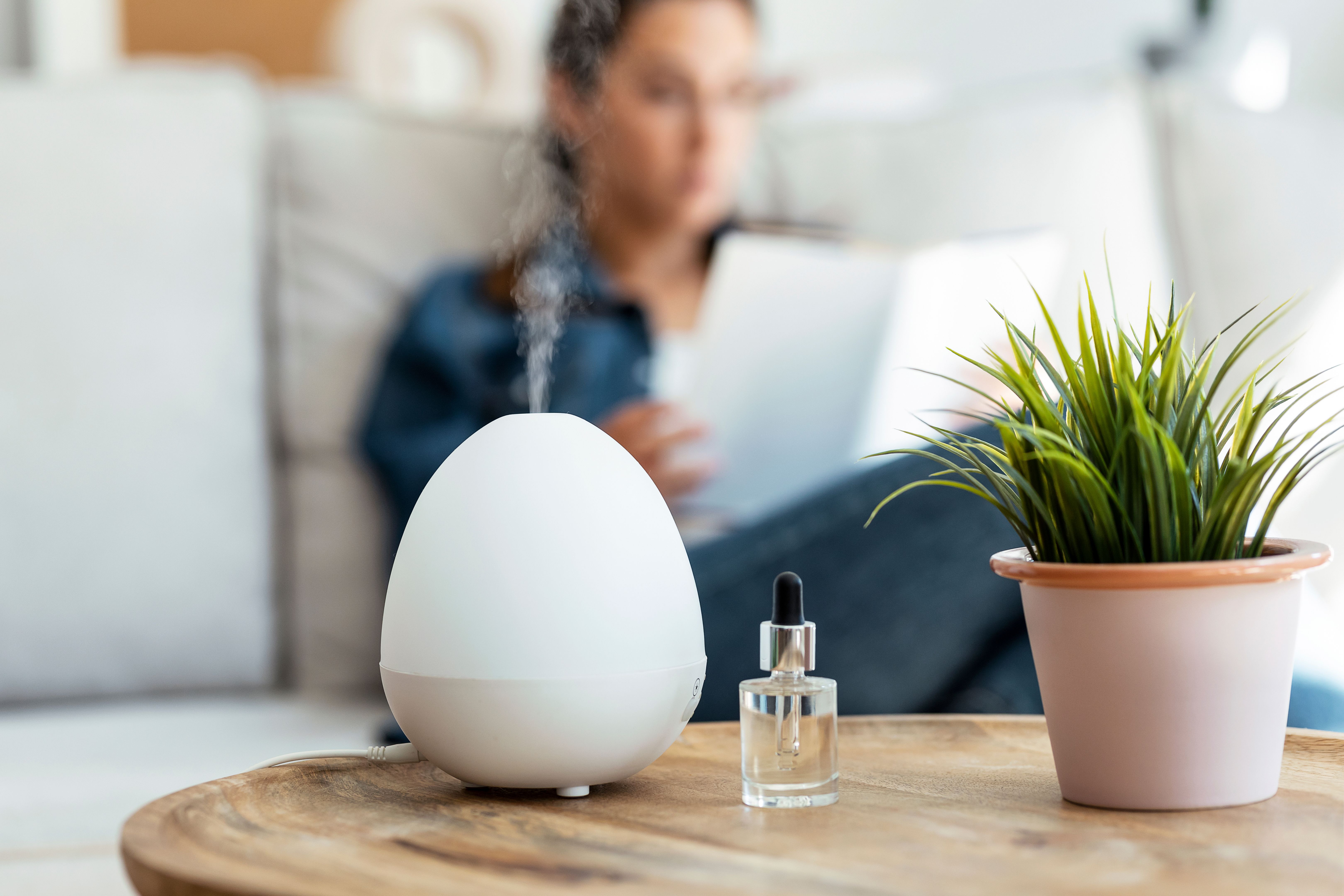
- Diffusers: Adding a few drops of essential oil to a diffuser can help disperse the scent and its benefits throughout your home.
- Sprays: Create a homemade refreshing spray by mixing essential oils with water and vinegar.
- Cleaning: Use essential oils in your cleaning routine to naturally disinfect surfaces and enhance air quality.
Choosing the Right Essential Oils
Not all essential oils are created equal. It's important to choose high-quality oils to ensure their effectiveness. Look for oils that are 100% pure, therapeutic-grade, and sourced from reputable brands.
- Eucalyptus Essential Oil
Eucalyptus oil has been traditionally used for respiratory support due to its fresh, camphor-like aroma.
Key benefits include:
- Helps airways feel more open
- Supports easier, deeper breathing
- Relieves nasal congestion
- Refreshes the respiratory system
It is especially helpful during pollution-heavy days or seasonal changes.
2. Peppermint Essential Oil
Peppermint oil contains menthol, known for its cooling and soothing properties.
Key benefits include:
- Provides a cooling sensation to nasal passages
- Helps reduce sinus heaviness and head pressure
- Supports mental clarity and alertness
- Refreshes stale indoor environments
Peppermint is ideal when pollution causes fatigue or headaches.
3. Simple Diffuser Blend:
- 3–4 drops Eucalyptus Essential Oil
- 3–4 drops Peppermint Essential Oil
- Add to a water-based diffuser
Usage tips:
- Diffuse for 30–60 minutes at a time
- Use in closed indoor spaces
- Ensure proper ventilation
- Avoid over-diffusion
Always use pure, high-quality essential oils for best results.
Combining Strategies for Best Results
While essential oils can significantly help with the air quality, they work best when combined with other strategies. Regular ventilation, using air purifiers, and maintaining clean living spaces are all important steps in creating a healthier environment.
By integrating these practices, you can effectively combat poor air quality and enjoy a more refreshing and invigorating atmosphere at home.
Essential oils do NOT clean, purify, or detoxify the air.
They are not a replacement for Air purifiers, Masks, Medical treatment or prescribed respiratory care. Their role is supportive, helping you feel more comfortable and breathe more easily through aromatic inhalation.
Conclusion
While we may not always control the air we breathe outdoors, we can create calmer, more supportive indoor environments. Used responsibly, essential oils like Eucalyptus and Peppermint can become a gentle part of your daily wellness routine—especially during rising AQI levels.
Breathe consciously. Choose quality. Support your well-being—naturally. 🌿